THE
HELP MODEL
At Court Appointed Special Advocates of Orange County (CASA OC), you can HELP a youth in foster care break the cycle of abuse. We train volunteers to stand beside a child—amplifying their voice and championing their needs to help them reach their full potential.
Our innovative, strengths-based framework equips CASA volunteers with practical tools and staff support to help children build transformative connections, healthy habits, and life skills—sparking hope and improving the wellness of the child.
LIFE SKILLS: Helping youth build the skills to express their needs, develop positive relationships, manage emotions, and grow in independence and the practical life skills needed for everyday success.
HEALTH:: Championing the health and well-being of youth through access to health care, emotional support, and safe, healthy development.
PERMANENCY: Ensuring youth have safe, stable homes, strong family connections, and a path to long-term permanency.
EDUCATION: Ensuring every youth has a stable school experience, stays engaged in learning, and receives the support needed to make meaningful academic progress.
The CASA Model
CASA volunteers are not informal mentors — they are court-appointed officers of the court.
Through judicial appointment, CASA volunteers operate with the authority of the court, allowing them to:
Access case-relevant records
Attend court hearings
Submit written court reports
Advocate directly to the judge regarding a child’s best interests
CASA of Orange County provides each volunteer with:
Comprehensive pre-service training
Ongoing continuing education
Professional supervision and coaching from a CASA staff member - their Advocate Supervisor
Structured advocacy tools aligned with the HELP Model
Over 90% of CASA volunteers report receiving effective support from their Advocate Supervisors.
Resiliency Requires a Circle of Support
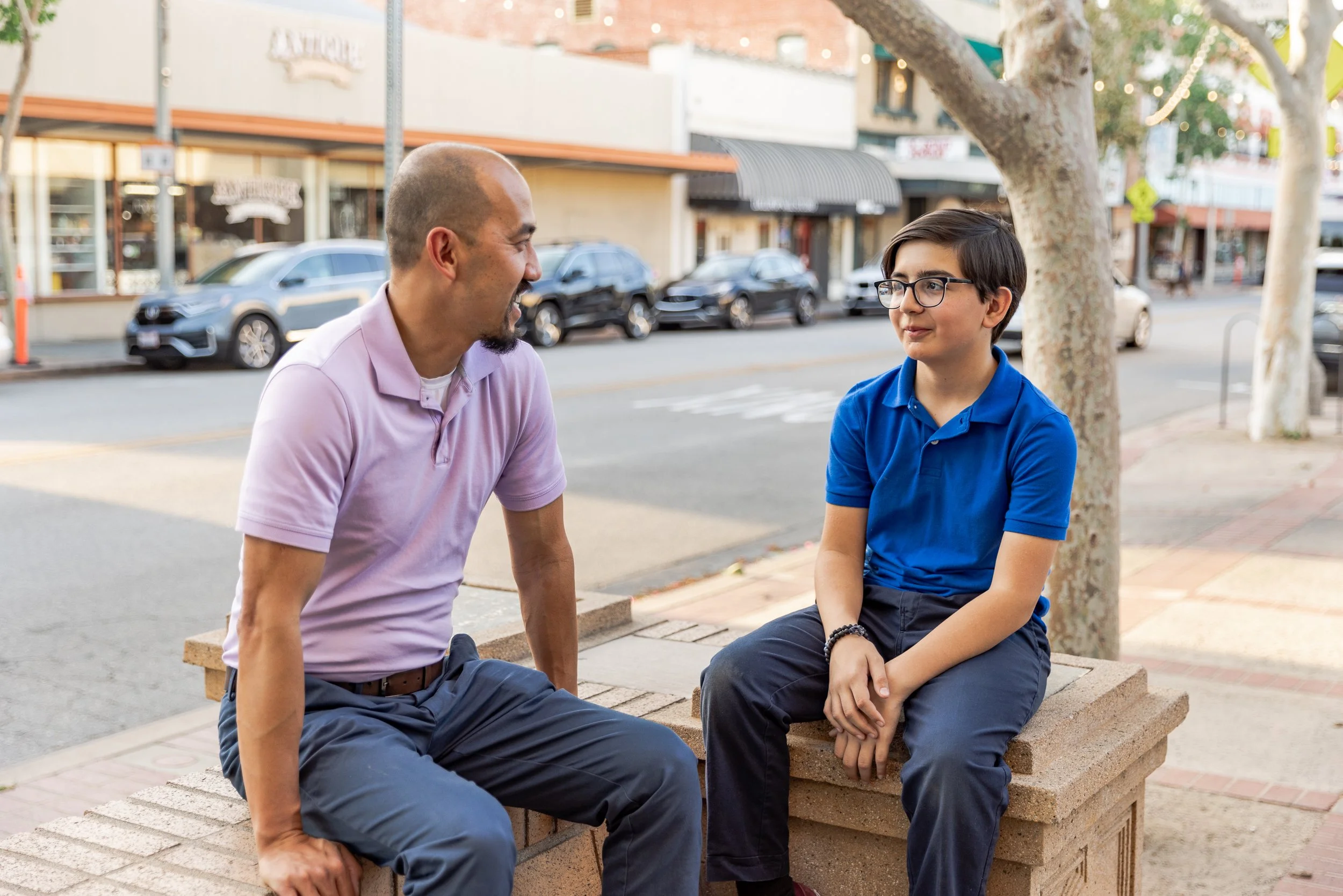

Children heal in community.
Outcomes improve when a collaborative team of support is coordinated around a child’s well-being. CASAs are able to communicate with and help to support collaboration across the variety of professionals and adults working to provide support to a youth during their time in foster care. These include:
Teachers and school staff
Coaches and mentors
Caregivers and relatives
Neighborhoods and faith communities
Social workers and legal advocates
Direct service providers
When aligned, these supports improve:
Overall health
Educational attainment
Successful transition to adulthood
Placement stability
Permanency outcomes
The #1 protective factor for a child who has experienced trauma is:
A stable, consistent connection with a caring adult.
CASA volunteers can become that connection.
Youth served by CASA of Orange County confirms the impact of these relationships:
91% say their CASA shows they care
88% say their CASA listens to them
84% say their CASA makes their life better
CASA volunteers:
Show up consistently
Listen without judgment
Advocate in court
Celebrate milestones
Provide relational stability in a system defined by transitions

Volunteers are typically matched with youth for an average of 3.5 years, with 80% describing their relationship as close or very close — many continuing even after court involvement ends. These protective relationships help shift outcomes from risk toward resilience.