Showing up and Making an Impact
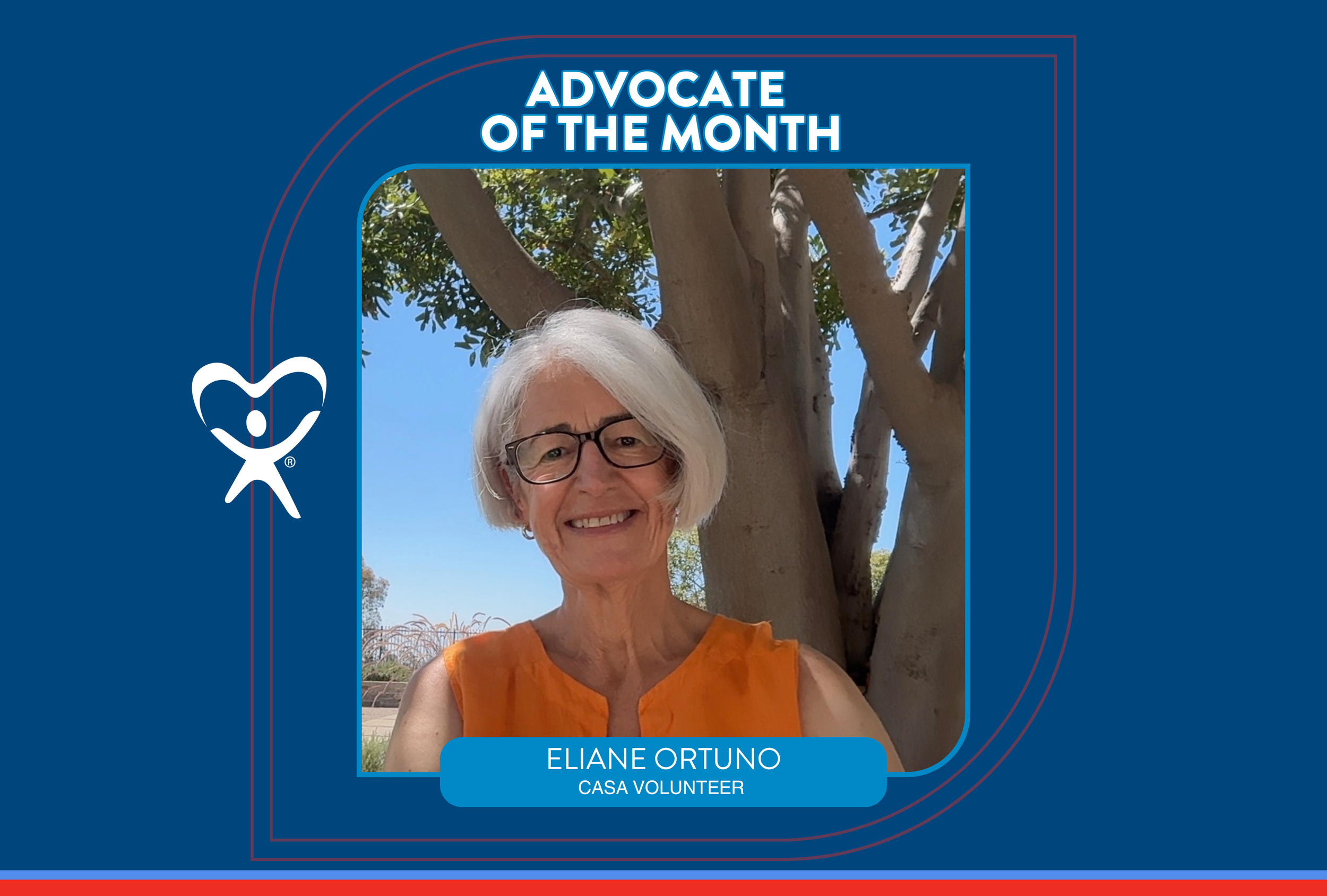
Eliane Ortuno and her husband never had children of their own, but they were still parents by almost any measure — they took in and raised their niece and nephews, providing a home to a six-month-old baby and two older children, ages seven and eight. Now those "kids" are in their thirties, and the couple's commercial property management business is winding down.
As much as Eliane was enjoying the slower pace of life — gardening in her large yard and spending more unstructured time at home — she found herself wanting something more: a tangible way to give back.
"We donate to different organizations, but I wanted more of a hands-on type of role," she says. "When I read about CASA, it really resonated with me because of the connection we have with our niece and nephews. I wanted to be able to make that same impact with kids in foster care."
Meeting the Boys
She decided to become an advocate with CASA OC and, after completing training and being sworn in, Eliane was matched with two brothers, John and *Julian. "I've been matched with the boys for over two years now and the great thing is their foster mom plans to adopt both of them, as well as their sister! I'm so excited for all of them."
Eliane has come to appreciate the dynamics of working with a sibling set. "The interesting thing about having two brothers is that they're very comfortable with me in the car — they'll talk about tons of stuff I'd never get out of them one-on-one. I'm like the fly on the wall, and I get to know more about them that way."
She's noticed the difference when only one can come along. "When I've had just one by himself, we don't talk as much — he'll listen to music or whatever. But by the second half of the visit, he wants to talk more. I'd choose a sibling set again - I get to learn more about them that way."
As the boys have grown older and built their own friendships and school lives, Eliane has learned to be flexible with changing schedules. "If they're busy and can't make certain outings, I'm fine with that." Still, she knows the relationship matters to them.
"Not too long ago, Julian asked me, 'Are you going to ditch us someday?' I told him I'd be around as long as they wanted me to be. Then he asked if I'd go to his wedding," she says, laughing. "I had to remind him I'm not that young — and told him if he's getting married, don't do it too soon, but don't wait too long either! So, yeah, I'm pretty sure I've made an impact."
Including Their Sister
Eliane has found small ways to bring the boys' sister into the fold, even though she isn't officially her CASA. "I wanted to take the three of them to the LA Museum of Natural History, so I got permission to include their sister. When she got in the car, one of her brothers said, 'What is she doing here? You're our CASA, not hers!' They're a bit territorial.” She smiles and says, “I've got to watch that they don't put a tattoo on me or something."
Eliane describes her interactions with the boys’ sister, "She was a little standoffish at first. Then I remembered her birthday and brought her a cake frosted with perfect tulips, with a candle on it. She was so excited." Eliane adds, “On a recent visit, she came and sat with me on the stairs while we waited for her brothers to get ready. She wanted to talk and was really open."
"I've found it's the little things kids remember — not the big presents or big outings. It's the small things that say, Hey, I see you." Eliane recalls a story shared at a CASA training by a former foster youth who became a therapist: one of her most memorable pieces of advice was simply to always bring food. In her words: "We're always hungry."
Eliane has found CASA OC's HELP model — which organizes advocacy around four pillars: Health, Education, Life Skills, and Permanency — a useful framework for shaping her advocacy with the boys. She describes her enthusiasm at the program’s roll-out at a recent CASA conference, where volunteers were asked to share their own experiences.
"Everyone was sharing their personal back-story. I was the last one to speak, and was still busy writing my response to the prompt," she laughs. "The HELP model categorizes the different aspects of advocacy, which I find very helpful. I loved hearing what brought each person to CASA."
Advocating for Permanency
Eliane has supported the boys' path toward Permanency in part through her court reports. "I always appreciate when the judge thanks me for what I've written. They've shared that it helps them understand the children better — so I think my input about their placement has been helpful."
That path towards a permanent placement for the siblings hasn't been without challenges. Julian, now 13, initially pushed back against the idea of adoption. "He had this glorified idea of what his mother was like," Eliane explains. "I spoke with the caseworker and the foster mom who planned to adopt them, and together we got the extended family involved. They helped explain that being adopted is going to be a positive thing. I also talked with Julian about what being adopted means and listened to how he feels about it."
Learning on the Job
Eliane credits CASA's training with preparing her for the role — and for providing ongoing training opportunities. "CASA does a great job with training. My supervisor, Bianca Gonzalez, connected me to MindSpring for additional training, which has been really helpful. The training is so important, but the real work happens once you get the kiddos. It's like, 'I know I learned about this, but now it's actually come up.'”
She refers back to the HELP model . “This framework helps me identify where I might need a bit more support — not just around their adoption, but surrounding what they want to do in high school, and where they see themselves going in the future."
Her supervisor, Bianca, has watched that impact unfold. "I have such a deep appreciation for her commitment and the thoughtful perspective she brings to her work with her youth," Bianca says. "She meets with them biweekly and engages them in a variety of enriching outings — trips to the movies, museums, fishing, and more. She's also established a meaningful tradition of ending each visit with milkshakes, which the boys eagerly anticipate every time."
"Eliane has introduced the youth to many new experiences and makes sure they attend every CASA event," Bianca adds. "She's been a strong advocate for their mental health needs and has supported their ongoing progress toward adoption by their current foster mother, with whom she's built a strong, collaborative relationship."
Looking Ahead
Eliane is candid about the challenges the boys will continue to navigate in the years ahead. "I watch them play, just being kids, and I think — how do they get past all this? Because it just happened. It's not like me in my seventies looking back at my childhood. For them, it just happened."
Still, she's optimistic about where they're headed. "Julian has agreed to go to therapy, which was a big deal. We're trying to get him a psychiatrist, because he was having some anger issues — but he's calmed down a lot."
She's also thinking ahead to what the boys will need as they get older. "They'd benefit from a male role model, but unfortunately there aren't that many male CASAs. Their foster mom has a great set of neighbors though, and she knows a lot of coaches who've become mentors to the boys."
Why She Stays
Eliane shares her thoughts about being a CASA, "I've volunteered before, but this is completely different. You've got to be willing to give a lot of yourself, but it's so worthwhile. When I look at these kids, I see the potential in all of them. If I can tap into that potential and make the slightest difference in their trajectory, in a positive way — what else can you do in life that has that kind of impact?"
"It's a great role. I can't see not doing it. I look forward to these kids being adopted, and I look forward to the next ones — and to staying part of CASA."
If you are interested in becoming that steady presence in a child’s life, learn more by attending a CASA information session. Contact Norma Mendoza for upcoming dates.
*Name changed to preserve privacy